
Creativity, Calling & Reinvention
The work of becoming — through art, voice, purpose, and courage.
These episodes celebrate the creative spark: writers, performers, chefs, musicians, entrepreneurs, thought-leaders, and visionaries who dared to say yes to their inner calling. These are the conversations about craft, risk-taking, reinvention, and the courage to create something from nothing — whether it’s art, a business, a movement, or a new life.
This theme is also home to episodes about leadership, purpose, and creative evolution.
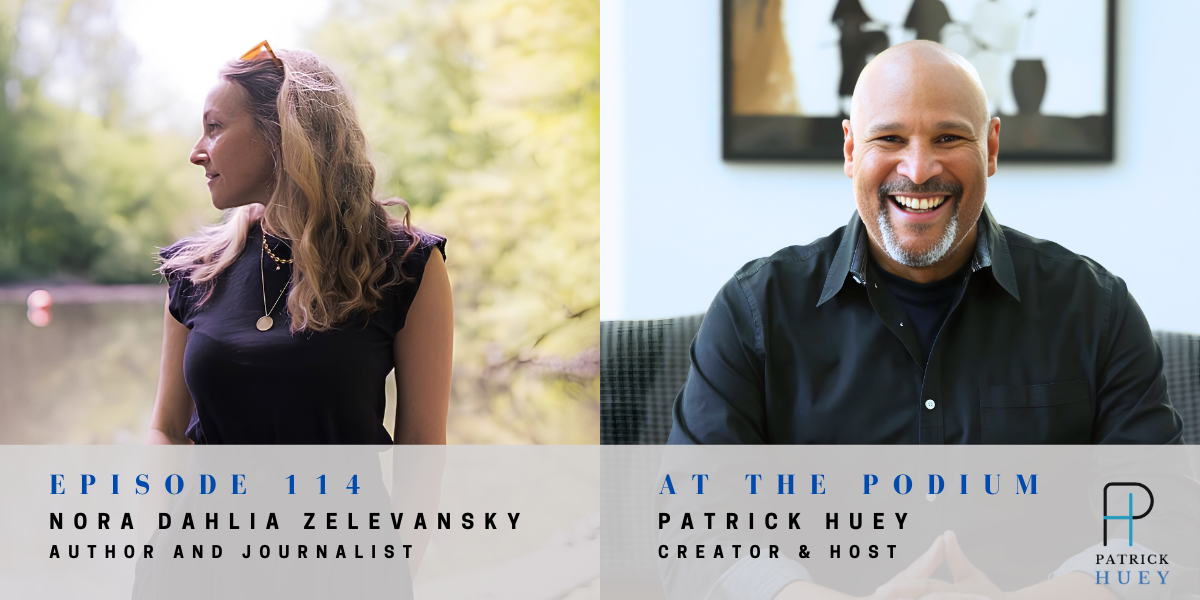
Author Nora Zelevansky returns to At the Podium for a conversation about memory, first love, friendship, and the selves we carry with us long after a chapter has ended. Through her novel Backslide, she explores nostalgia, unfinished relationships, and the complicated pull of the past. In our conversation, Nora personally embodies the complexity written into the book by sharing the quiet grief she felt when her daughter moved to a new school and the daily community she had built with other parents suddenly changed. It becomes a deeply personal reflection on how even joyful seasons end, how relationships shift, and how coming home can mean honoring what was without being able to return to it.
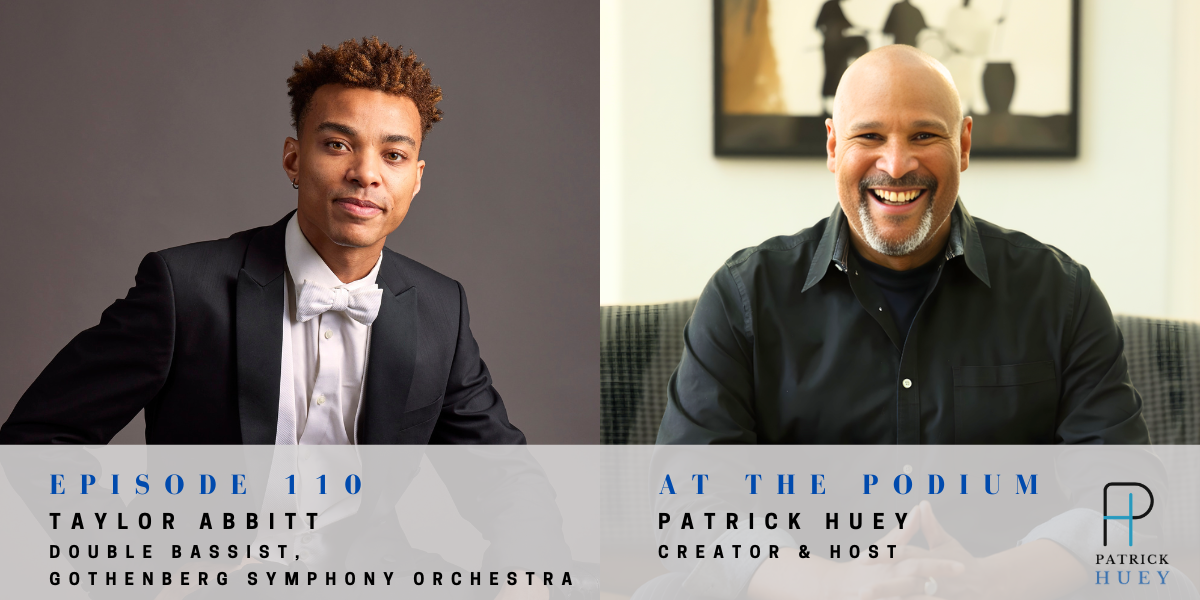
Quiet, reserved, and extraordinarily gifted, Taylor Abbitt is an artist coming fully into his own. The Juilliard-trained double bassist and Gothenburg Symphony Orchestra member joins At the Podium to explore the discipline behind excellence, finding his voice as a biracial artist, and the journey from mastering technique to trusting himself. And when the conversation ends, Taylor lets the music speak—performing the magnificent Concerto No. 1 for Double Bass by Andres Martin at the Sphinx Competition tthat reveals what words cannot.

Eric Litman — the founder of Aescape — has the mind of an explorer. In the world of spa and wellness, he and his team are charting new territories, challenging long-held beliefs about what a massage looks like, feels like, and how it’s delivered. With Aescape’s robotic massage solution, Eric is pursuing something truly extraordinary: the authentic human experience of care, connection, and self-agency — achieved through technology and AI.
He’s not on this journey alone. He’s surrounded himself with extraordinary collaborators — from seasoned massage therapists to former NFL quarterback Tom Brady, who now serves as Aescape’s Chief Innovation Officer. Together, they share one bold goal: to empower humans to do better at being human.
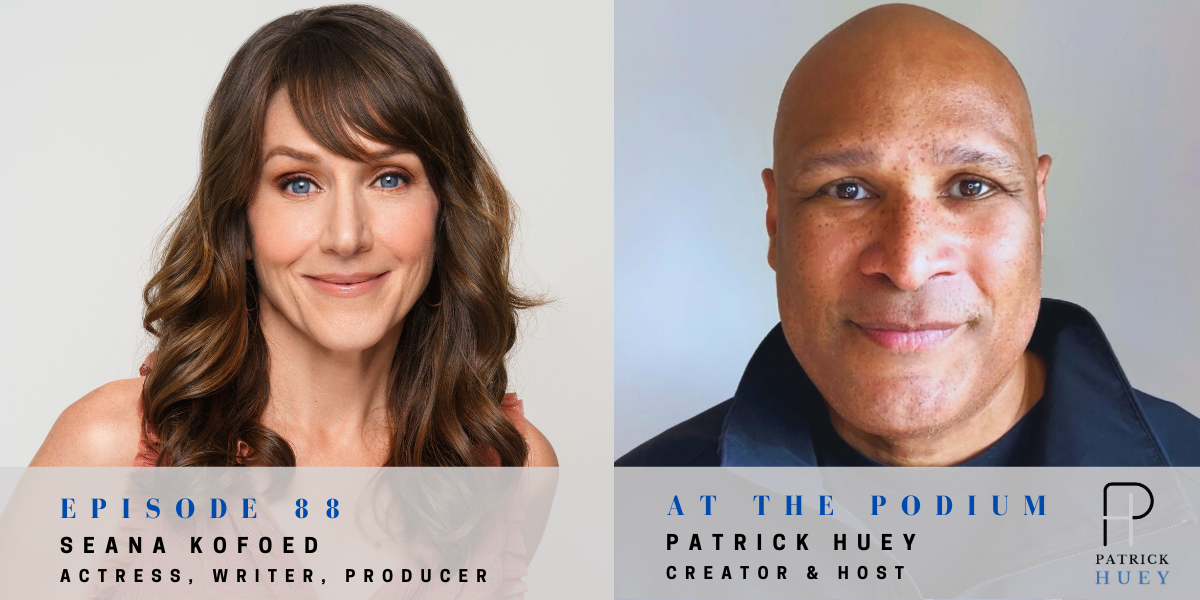
There is theme that quickly emerges from my conversation with Seana Kofoed. If you want something in your life, you can’t sit around waiting for someone to recognize your worth. Go out and create it for yourself. Now you start to understand why a little girl who wasn’t always encouraged to be an actor has starred in two Broadway shows, been nominated for the prestigious Drama Desk Award for Best Featured Actress in a play, starred in multiple television series - including her latest role as Commander Chase on NCIS Hawaii – and started her own production company Film Camp Productions, that has produced the two feature films 30 Miles From Nowhere and Clearmind. And if a thriving career wasn’t enough, Seana says that raising her two kids is the most important role she has. Looking at the broadness of her life today, Seana says “I’ve reached a point where I’ve learned to love the flaws and the uncertainties of life. I’ve been surprised by not needing to cling so tightly to what I thought I wanted for myself and my trajectory.”
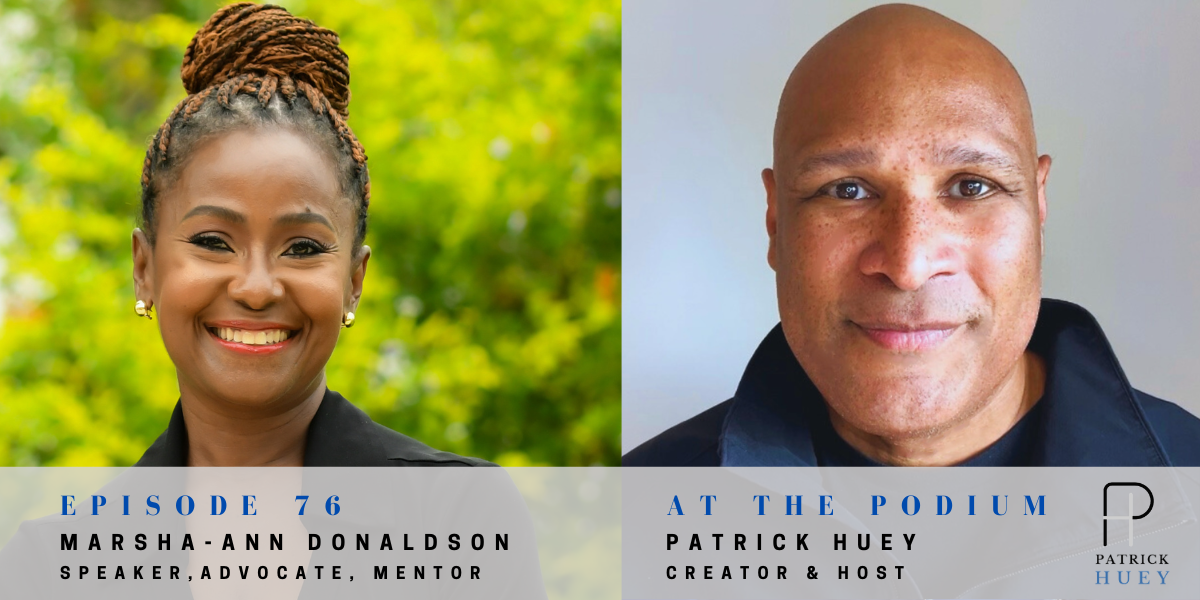
Marsha-Ann Donaldson is an advocate and mentor helping women find the courage to take up space in their lives and live with purpose and unspeakable joy. Her perspective, however, is not one shaped by a need for perfection. She says that we are all beautifully chipped and broken mosaic tiles, and those fractures are a part of life to be expected and indeed cherished. Through the fractures and brokenness, the muscles of our souls are strengthened and refined. It’s that brokenness and those fractures that spark the need for radical transformation in our lives. Not next week, not next month, not next year, but now! Today. Yet how do we take that leap of faith to begin the process of change? A lot of prayer and mindfulness. She says, “You have to reclaim your soul. You have to reclaim your life. It’s time to look internally and clean up the messes of our minds and our hearts.” And Marsha-Ann gives us resoundingly clear steps to start this spring cleaning of our beings. We have to take back the power of our voices that we have given away to other people and speak truth over our lives. We have to look at our lives through the lens of lessons learned and not regrets to be mourned over, because even the missteps are a part of the DNA of our lived experiences. And most importantly, if there are people, situations, behaviors in our lives that no longer serve us, we must let them go!
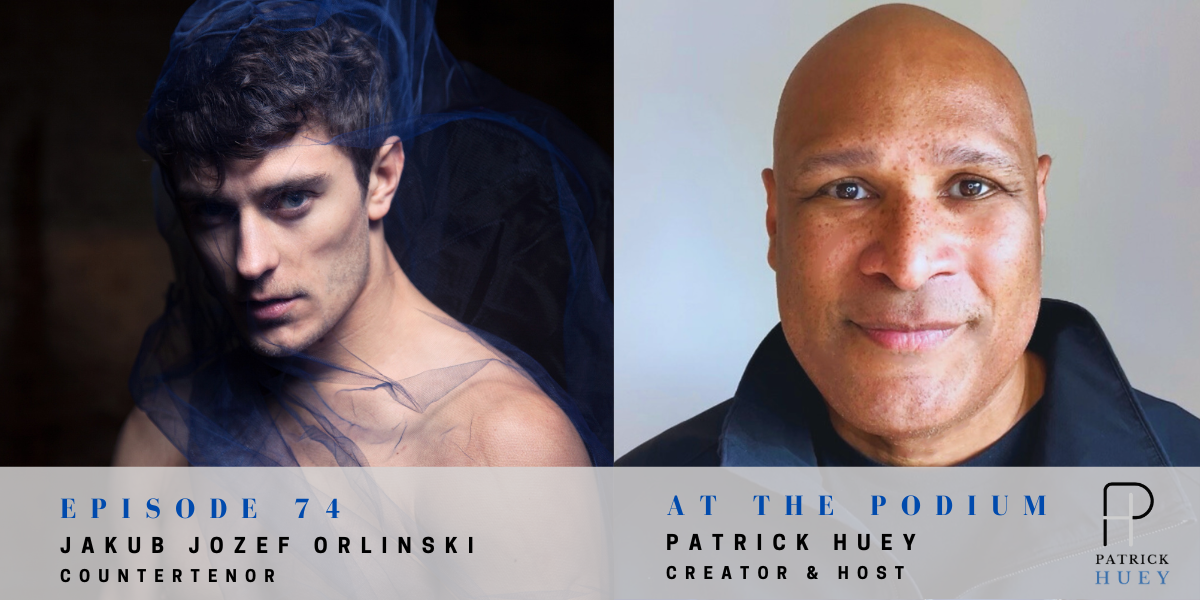
“You cannot please everyone. So you just have to be your own self and believe in your journey and learn about yourself the most," says internationally acclaimed operatic countertenor Jakub Jozef Orlinski. His singing career is ascendant. His performances have been heralded at the great opera houses of the world – including The Metropolitan Opera in New York, The Royal Opera House at Covent Garden in London, and The Theatre Des Champs-Elysees in Paris. His recitals from Chile to Poland, Germany to the United States are sold out. And his lyrical and emotionally impactful alto voice has earned Jakub the praise of the public AND the critics who have called him “angelic,” and a singer who is making the opera relatable and sexy. Behind the applause, he is a committed artist who recounts initially being rejected by top music programs globally, rejected for summer internships, and losing first round in competitive vocal competitions. He recalls of his beginnings, “There was constantly a fight for a place. Constantly.” What got him through those rough times and sustains him today in the unrelenting scrutiny of fame and success is focusing on the quality of the art he is making, believing in his journey, and owning and knowing his voice.
In season two of At the Podium, the power of speaking and owning your truth came up in all the interviews of the show. As I asked each remarkable guest about their journeys to finding their own voices and what they wanted to say with the immense platforms they had, they all expressed the need to use their voices to help others, but also to speak truth over their own lives and lived experiences. Perhaps because we live in a time when the truth, when facts, even basic humanity are under threat, the ability to speak and own your truth becomes the ultimate commodity. It is a gift more precious than gold, because for so many of my guests, speaking the truth was the light that led the way to healing the broken places of their lives. What a privilege it was for me to sit in fellowship with the incredible people who honored me with their time, their hearts, and their wisdom. For that, I am eternally grateful.
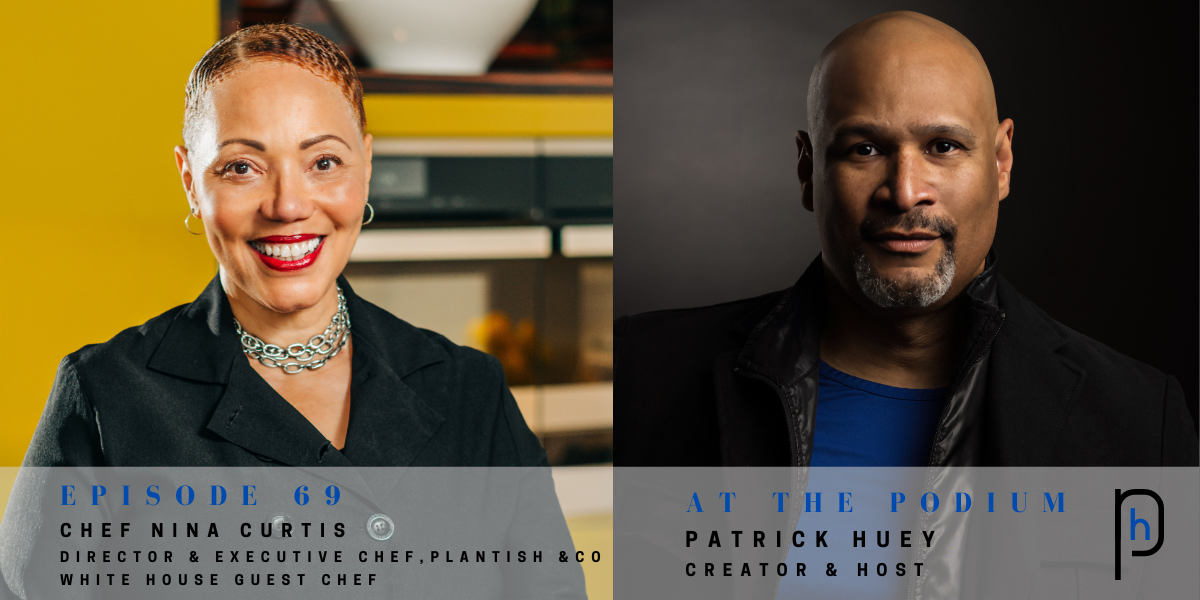
Nina Curtis is a world-renowned Vegan Chef. Her dishes have been savored on the palates of presidents and prime ministers, foreign dignitaries and political powerbrokers, and first grade students. Most recently she made history by becoming the first chef to prepare and serve an all plant-based meal at the White House’s State Dinner for Indian Prime Minister Narendra Modi. When we talk about what led her to a life and a career built on veganism, her somewhat improbable journeys merged on the Venice Beach bodybuilding scene. Where eating a plant-based diet helped her performance and recovery in competitions. But the seeds for her love of food, ingredients and the process of curating and preparing a meal were planted within her by her parents. Her father is a technically trained French Chef, and her mom (whom Nina describes as the best cook she knows), is a formidable cook in her own right. Chef Curtis’ ethos today in the kitchen isn’t ego-driven or based upon her celebrity chef status. Instead, her guiding forces are the examples of her father and her mother. And her ancestors. It’s the ever-present voices of her parents and the legacies of her ancestors of whom she says, “I’m always working to be quiet enough to hear their whispers and their guidance.” And their whispers tell her to humbly do your work, keep your head down and use food to build ally-hood among people, among governments, among nations. And to remember that the seeds she plants today, will have reverberations for centuries to come.
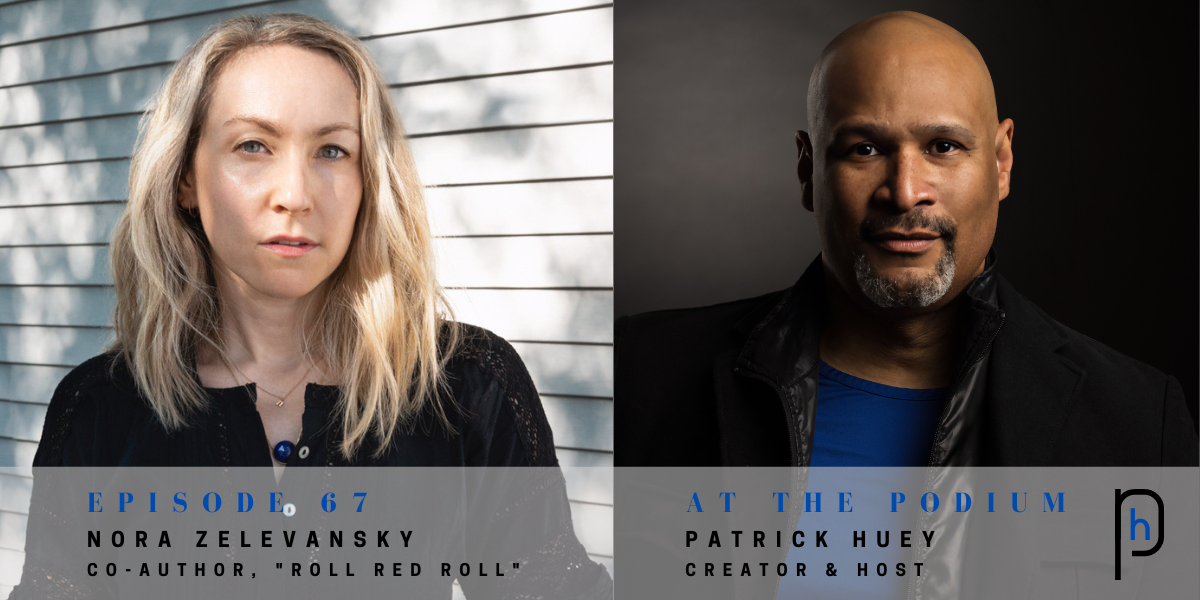
Author Nora Zelevansky and I have a nuanced conversation about Roll Red Roll: Rape, Power, and Football in the American Heartland. A book that she and Nancy Schwartzman wrote based on Schwartzman’s documentary film about a tragic rape that happened in 2012 in Steubenville, OH. The crime gained national attention because it was the first assault broadcast on social media and changed our understanding of what going viral meant in the age of the internet 2.0.It blew the lid off what has been the country’s inability to grapple with our own complicity in creating a culture where young men casually assume the role of predator, and many young women are left to fend for themselves in harms’ way as friends, institutions and supposed trusted systems fail them. Nora and I delve into the intricate circumstances of the case: the concept of the perfect victim not being the perfect victim, how rigid gender roles contributed to the crime, and the phenomenon of slut-shaming. We ask the question is there a role for restorative justice in these cases and determined that if anyone’s child is to be safe, all children must be safe. And lastly, how do we break open the destructive “boys will be boys” mentality in our society that oftentimes rewards or excuses the idea that real manhood is rooted in dominating other people. It wasn’t an easy conversation, but a necessary one where we sought answers and understanding, not blame.
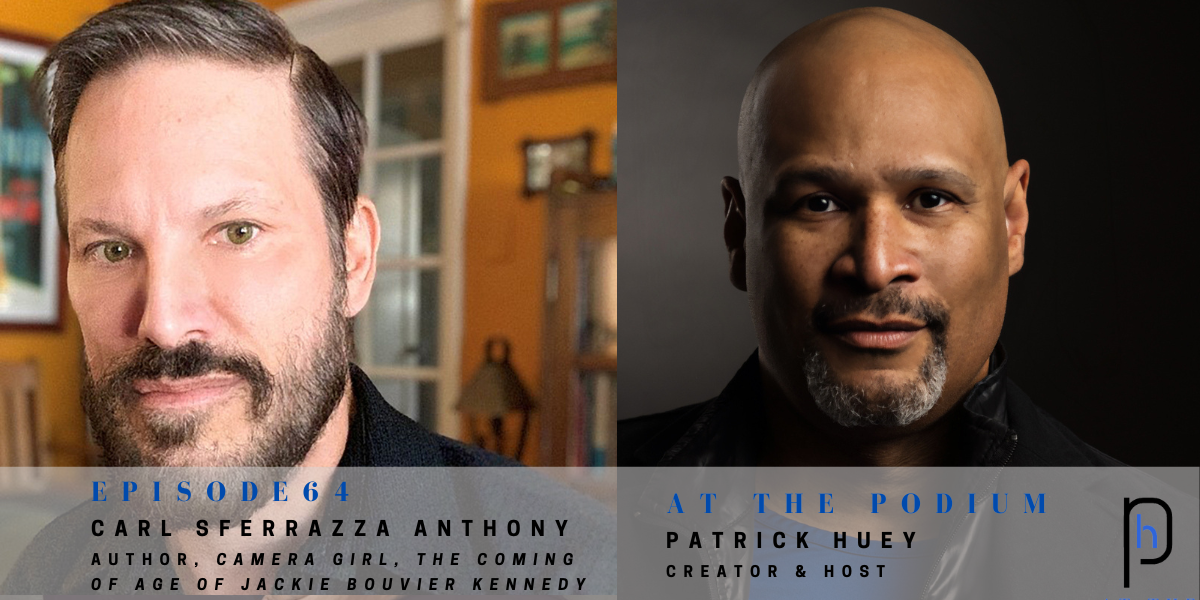
Carl Sferrazza Anthony has done the impossible. In his new book Camera Girl, The Coming of Age of Jackie Bouvier Kennedy, he has told the often forgotten and sometimes misunderstood origin story of a woman, who accurately described herself as the art director of the 20th Century. In his latest book, Sferrazza Anthony dramatically captures her subversiveness, her incisive and self-deprecating wit, and her passion for the power of language and words that was sparked by her time studying at the Sorbonne in Paris and traveling throughout Europe. As we dive deep into his work I learn that more than being John Kennedy’s widow or becoming Jackie O., Sferrazza Anthony paints a portrait of woman who, like we the reader are today, was a multidimensional chameleon, and an ever-evolving human being.

As we start 2023 and begin to write new chapters of our lives, Marsha-Ann Donaldson-Brown reminds us that our goal is not to live our best lives. It is to live our only life. And we deserve to live this one existence free from brokenness, fear, self-doubt, and the shackles of expectations. Oftentimes, we create our own bondages because we are simply afraid. As Marsha-Ann did when she revealed that she suffers from Lupus, we must have the courage to speak our truths even if our voices and resolves sometimes waiver. We must be willing to release the things, people, and ideas that hinder our growth. In doing so, we will be experience what Marsha-Ann says of her life, “There are so many possibilities ahead of me. I feel like an eagle that’s soaring with the delicacy of a butterfly.”
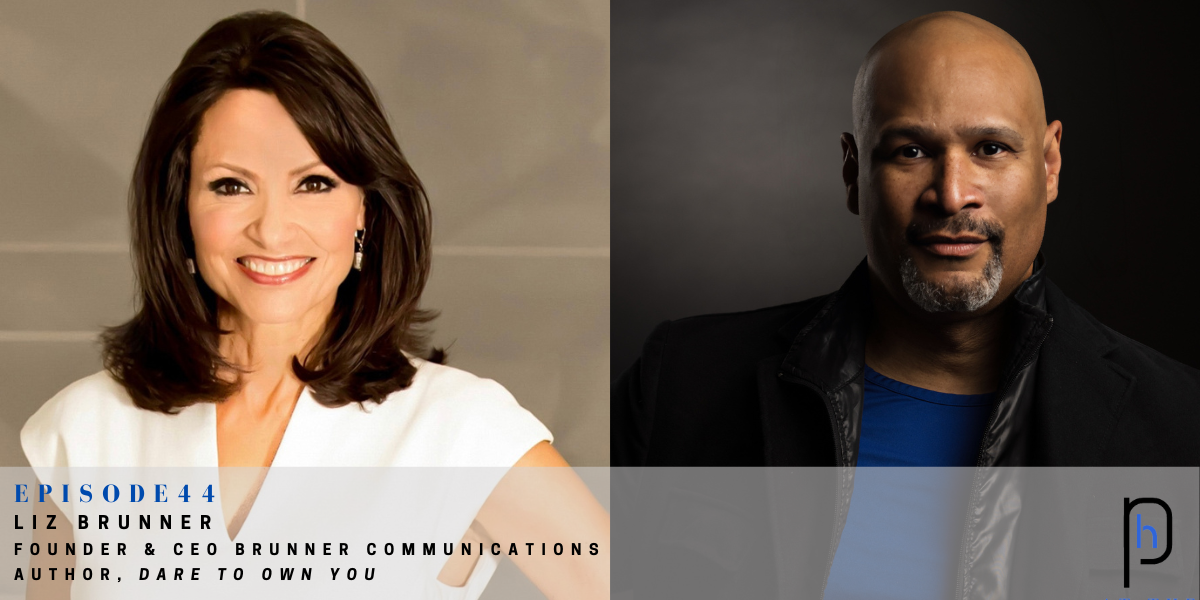
Liz Brunner is an Emmy award-winning journalist. In times of crisis, the citizens of Boston turned to her for truth, guidance, and a familiar presence to lean upon for two decades. Today she has brought her skills learned from behind the anchor desk and life lessons gleaned from her ancestors from India to the Mayflower to her own media consulting business Brunner Communications, which helps people find their voice and lead with presence. In her new book Dare to Own You she synthesizes her life’s work into a key thought. She says, “Today, every single one of is a brand. And we have an opportunity to showcase our brand and who we are in our best authentic self, and it’s important to do so. You have to own who you are in order to do that.”

The beautiful music you hear on the podcast this season was composed and performed by Dr. Timo Vollbrecht, the Director of Jazz Studies at Brown University, and his band. He communicates a moody, evocative sound through his tenor saxophone. But more than a musician, Timo views himself as citizen artist. His work doesn’t exist for its own sake. As Timo says, he wants to make music that is for people, that moves people, that might inspire people. He sees his craft of being a musician as putting citizenship into action around social justice, activism and human connection. There is, what he calls, an inevitable social compact that is created between artist and listener.
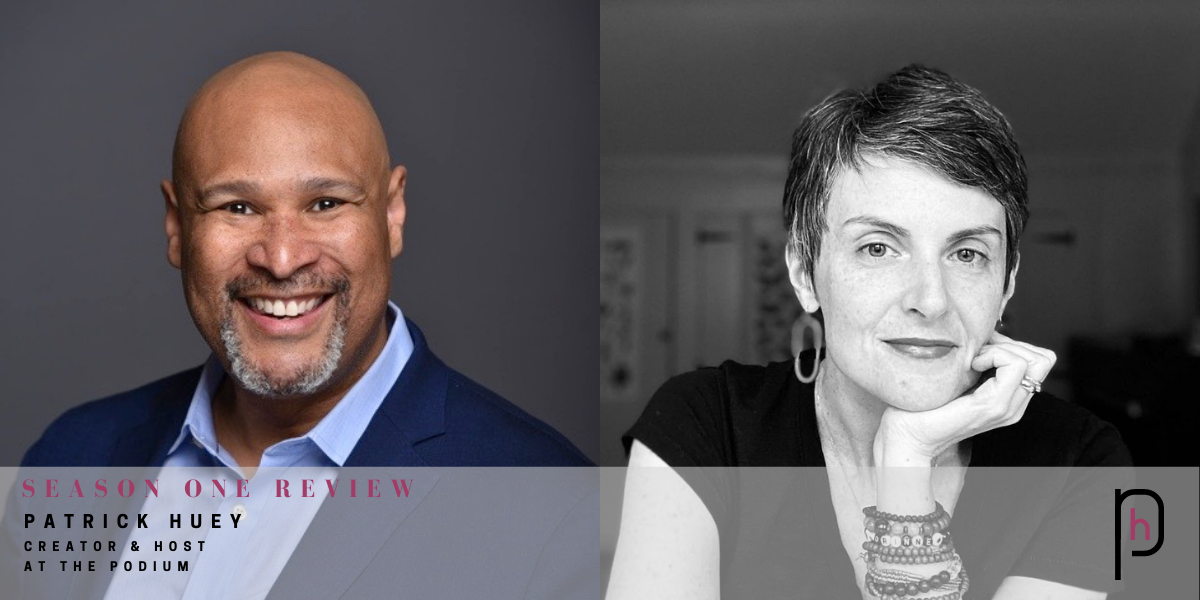
In this retrospective of "At the Podium," Corinne Bowen sits down with Patrick Huey (At the Podium Creator and Host) to review the impact of the first season of this groundbreaking series. They review some of the lessons learned from the 34 guests who gave of their hearts, their souls and their wisdom as they shared their stories of profound transformation with Patrick. At the core of each guests' journey was their willingness to say "yes" to the unexpected turns of their lives and in doing so, unleash their creativity, their artistry and their own vision for who they could be in the world.

Bill Thompson, Executive Director Young Storytellers, shines a light on the forgotten children who have been oppressed by poverty, lack of economic opportunity, and racial and social discrimination. His broad empathy is informed by his own experience of being an outsider growing up. He weaves the story of his life into his mission today, which is helping kids find their power by claiming their own narratives through storytelling.

Shannon Flynn joined the Hannah Montana cast and crew from the beginning. First as an assistant, then as an acting coach and finally as a director of the show. Shannon openly talks about how she battled imposter syndrome and had to learn to fight for her own ideas as a director.

Mary Poppins dispensed medicine with a spoonful of sugar (and a really fun sing-along with the kids “in the most delightful way”) to make it easy for her young wards to swallow. That’s what it feels like when you read a book by Nora Zelevansky. Tough wisdoms and truths wrapped up in smart language, articulate characters and magical, invisible jets that can take you from Paris to New York in a matter of minutes (see Semi-Charmed Life).

I have known Tembi Locke (writer and producer of the Netflix Limited Series From Scratch) for most of my life. Thirty-seven and a half years to be precise. But more than knowing her, she has been a friend, and taught me a valuable lesson: Find a way no matter what. It’s that attitude, that tenacious spirit in her that comes from her ancestors that has helped her pave an unconventional path to her life, her career and to love. Her successes are many in the unrelenting world of Hollywood, but what Tembi wants to talk about, as she puts it, is a question she learned from her parents, “How do I do what I need to do? How do I serve my community AND preserve the essence of who I am as a person?” Thank you Tembi, for engaging in the conversation.

In her very thoughtful way, Claudia Zelevansky speaks a powerful truth about living today. We are at a time in human history when we must question the very relevance of long-standing conventions, beliefs and norms. And if we find them lacking, we must be brave enough to change them. As she keenly states, we have to put the context first and not the result.

In my conversation with Toby Poser - actress, producer, writer, director - the themes of family, the importance of finding your own creative voice and celebrating all of the things that unite us as human beings shine through. She reminds us of the importance of storytelling, not just for entertainment, but for survival. And she extols the virtues of having fun in your life and your work. She leaves us with this simple yet meaningful prayer or challenge – she says to us “You can find creativity in everything” even in the rising and setting of the sun. What beautiful gifts Toby gives us.
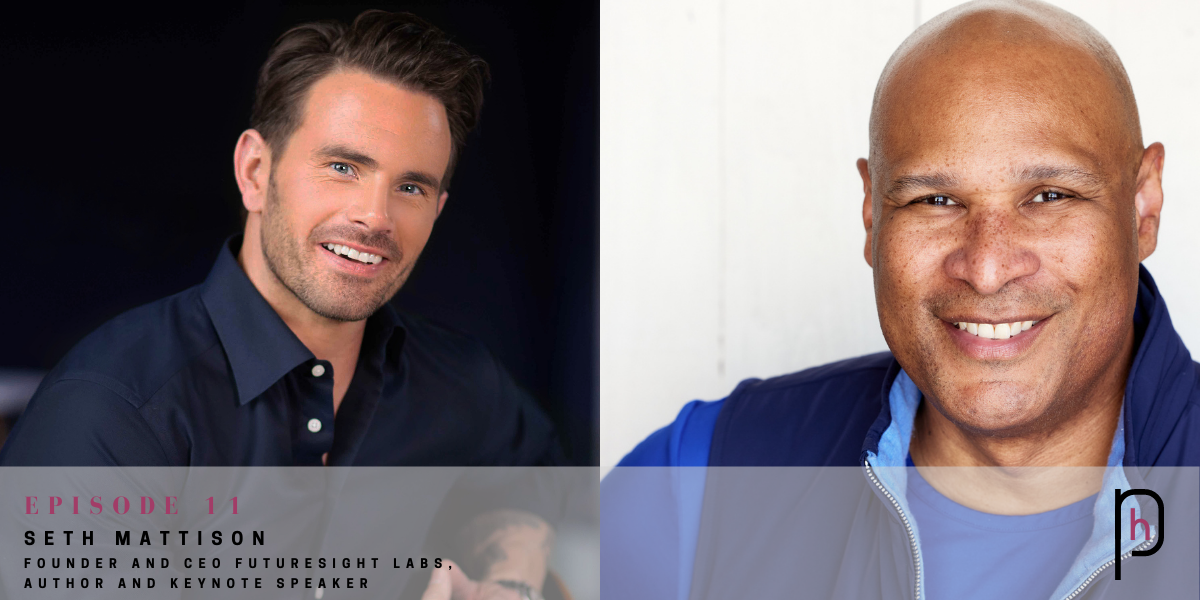
In our conversation about the state of business affairs today, Seth Mattison provides specific and elucidating examples of how the priorities of workers have shifted. He leaves us with necessary pieces to consider as we think about how we shape our next chapters – work is no longer a singular enterprise. Many of us will wear different hats and pursue multiple work existences. And we will all have to lean into becoming agile learners and be comfortable with the discomfort of learning new ways of being.
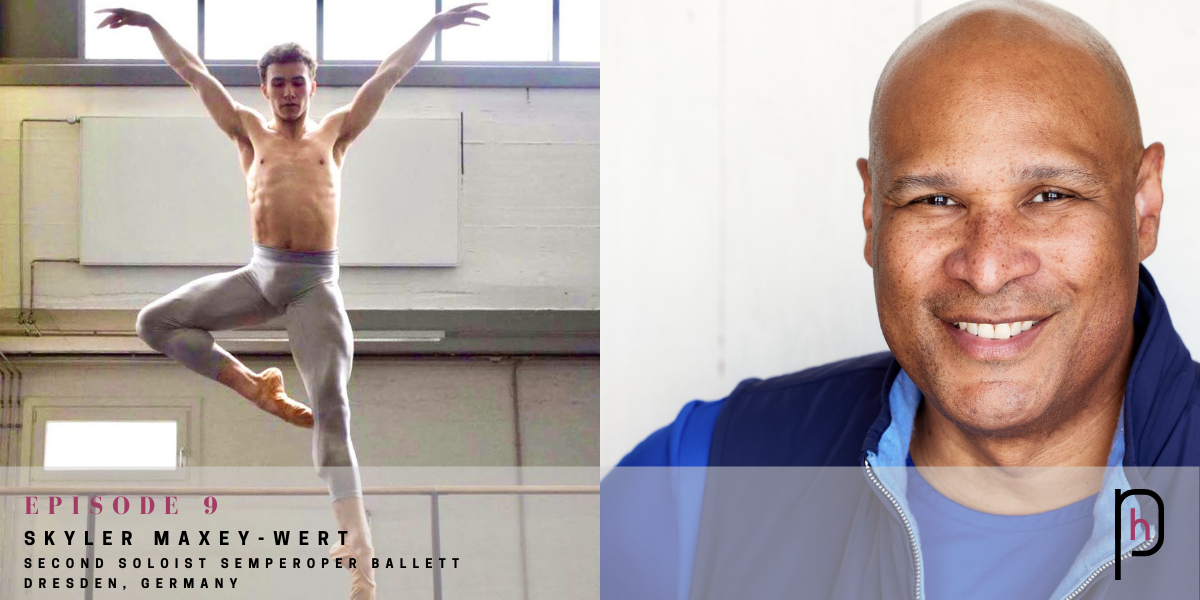
There is a lyric from the Broadway musical, “Once on this Island” – “And if the gods move our feet, we dance.” The gods have certainly moved Skyler Maxey-Wert’s feet for almost 20 years. From studying at the Jacqueline Kennedy Oasis School of the American Ballet Theater, to performing with the SemperOper Ballett in Dresden, Germany he has learned some valuable life lessons: you have to have the tools to maneuver through the rigorous training and expectations of the dance world with grace and kindness towards yourself, you must breathe into the space of being an artist as opposed to just trying to be perfect all of the time, and most importantly, there is room at the ballet bar for all types of people and body types. Skyler certainly has wisdom beyond his years.
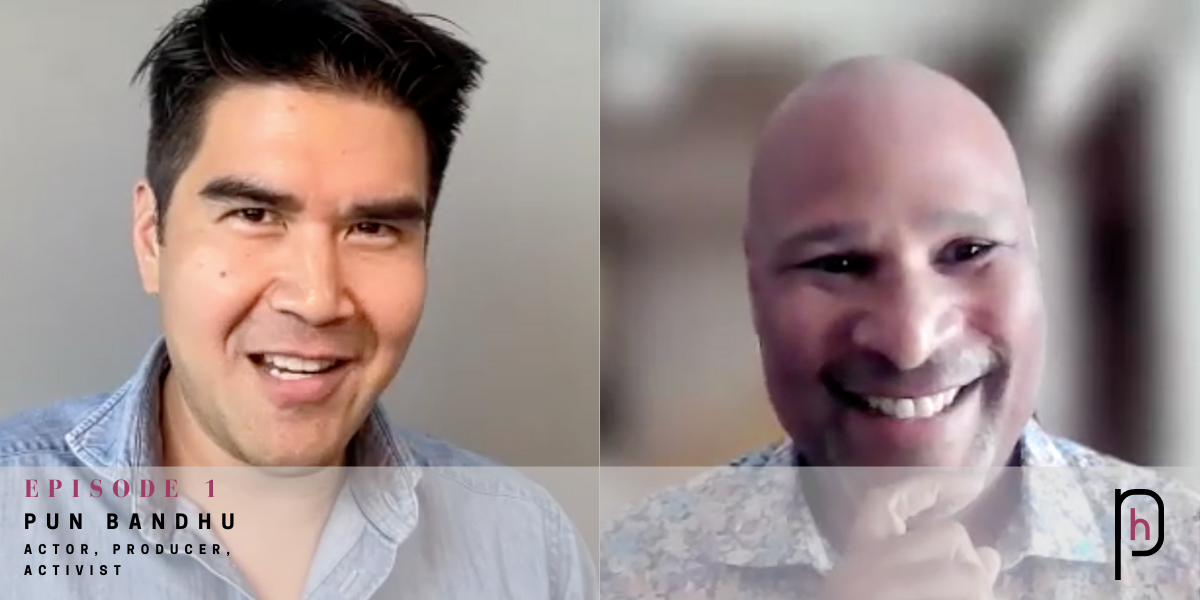
My conversation with my dear friend and colleague Pun Bandu was a great reminder that we are not here to be supporting players in our narratives. There is power and freedom in recognizing and embracing with open arms the wide dimensionality of who we are, even if who we are doesn’t fit into a neat and convenient category of who the world, our parents, and even our friends think we should be. As Pun reminds us so beautifully, we must break free of prisms that prevent us from being the heroes and emotional engines of our own lives.